Cart 0

The hive


The Hive at Activate Labs is a community of practice and reflection for frontline communities, peacebuilders, and social movements.

a space for co-learning, connection, and joy, where we co-design and explore innovative solutions that build a shared future rooted in peace and justice.

Join us in radical collaboration as we exchange strategies, stories, and creative expression to strengthen movements and drive collective action.


We are committed to creating a space for constructive dialogue, creativity, and co-design, where diverse perspectives can be shared with care and respect.

We believe that conflict, when approached with intention, can be a transformative force for growth and change. However, it must be handled with care, responsibility, and a shared commitment to learning. We welcome all who share this intent and are ready to engage in meaningful exchange.

we invite you to join this community and stay up-to-date with upcoming events & interactive dialogues.


 Peace Design Labs

What Is a Peace Design Lab?


At Activate Labs, we believe that peace isn’t just something we hope for—it’s something we design. A Peace Design Lab is a dynamic, participatory space where communities, movements, and changemakers come together to creatively and strategically build peace in their contexts. Rooted in the principles of co-creation, cultural organizing, and community-led innovation, Peace Design Labs are immersive experiences that blend the tools of social movements with the frameworks of peacebuilding, grounded in art, imagination, and collective action.

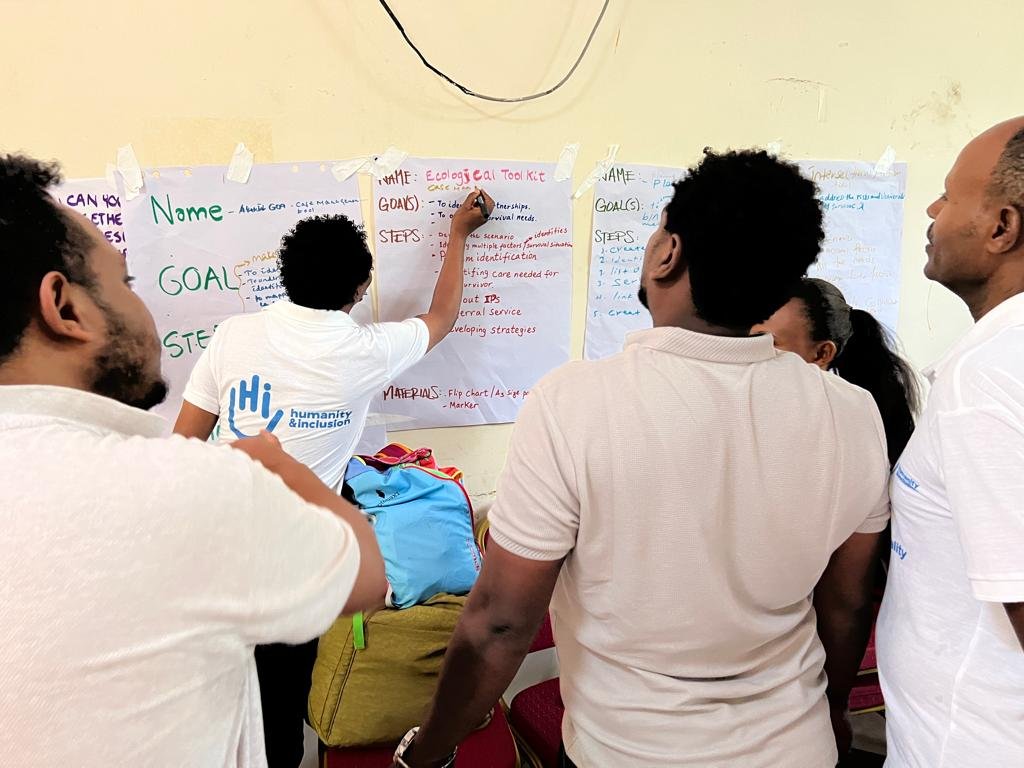
A Peace Design Lab is not a traditional workshop or training. It’s a laboratory for transformation—a space to prototype strategies, co-design processes for social healing, investigate systems change, and plan collective action. Labs are designed for frontline communities, grassroots organizers, artists, youth, peacebuilders, and anyone ready to reimagine and rebuild the world around them. These labs offer tools, frameworks, and space for people to create shared vision, uncover local solutions, and move from trauma to transformation through collaborative design.


Origins of Peace Design

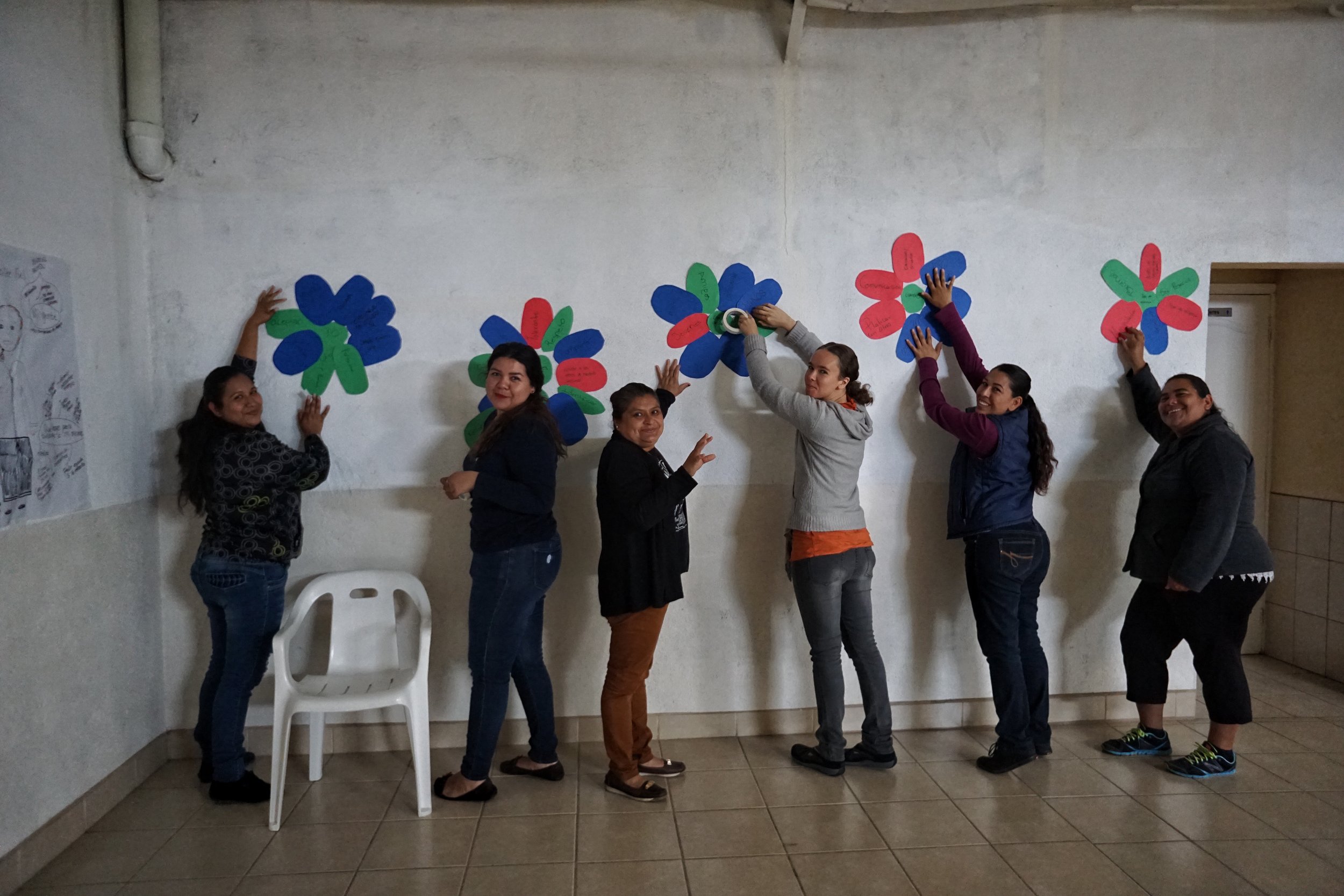
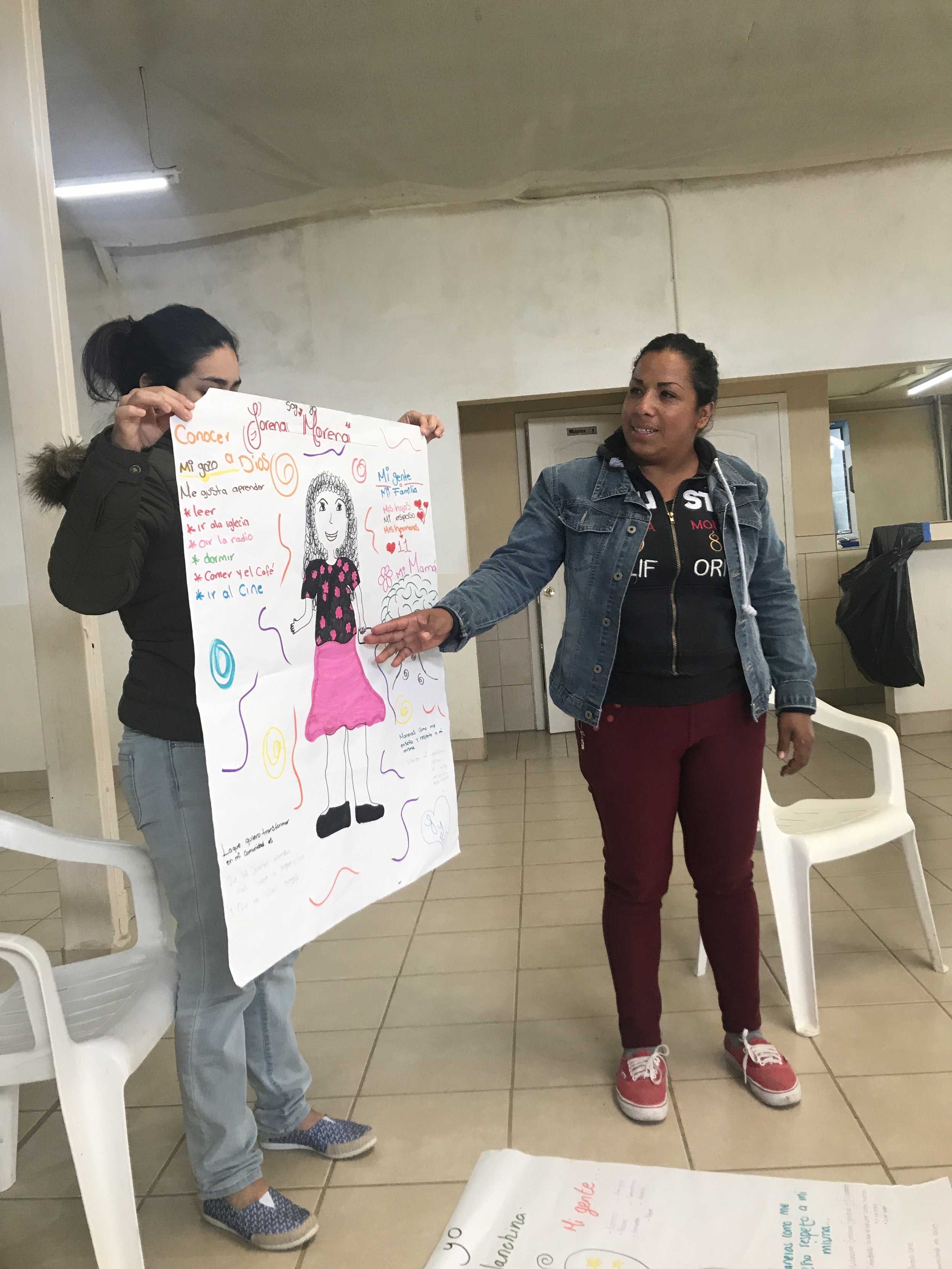
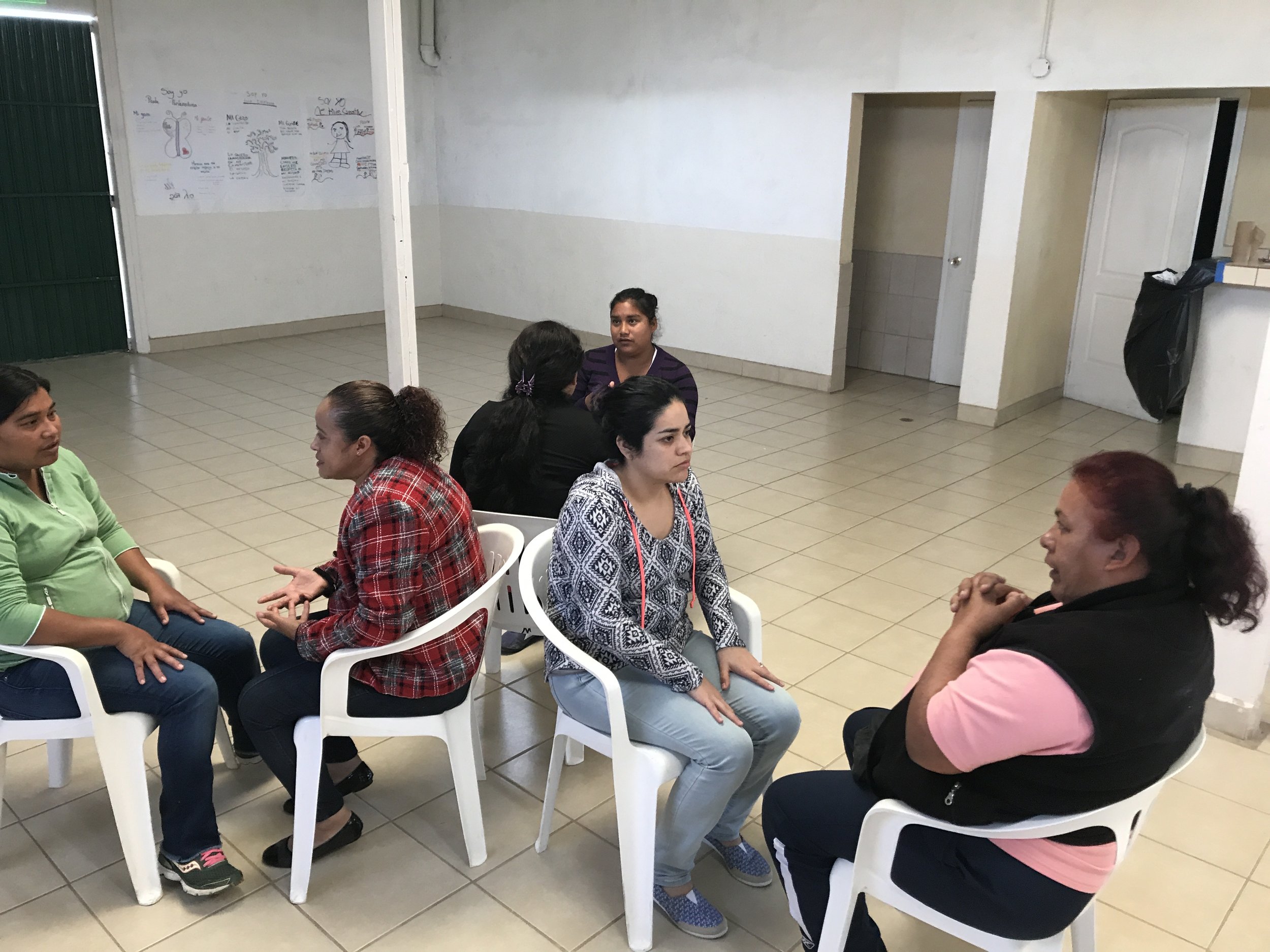
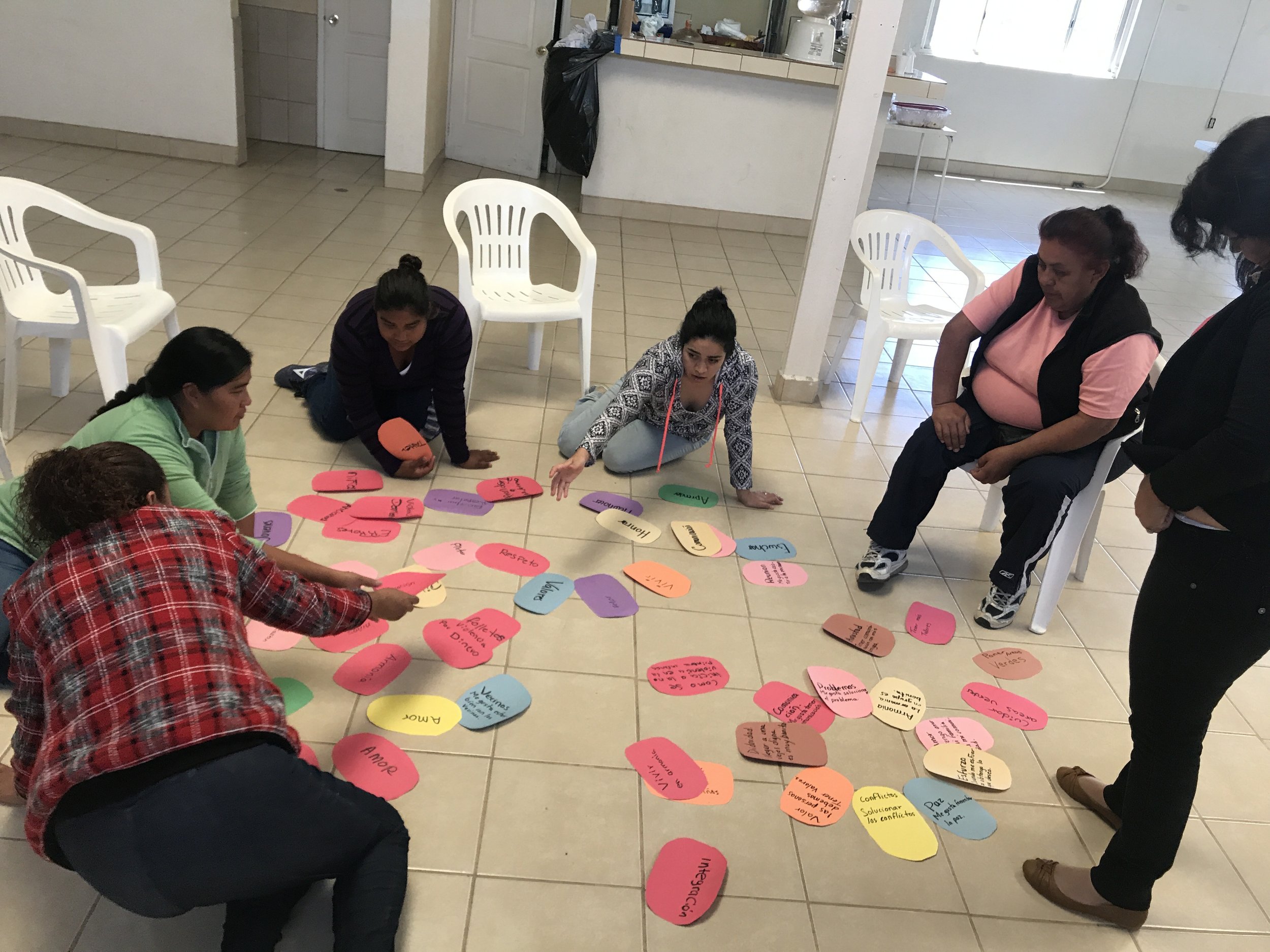
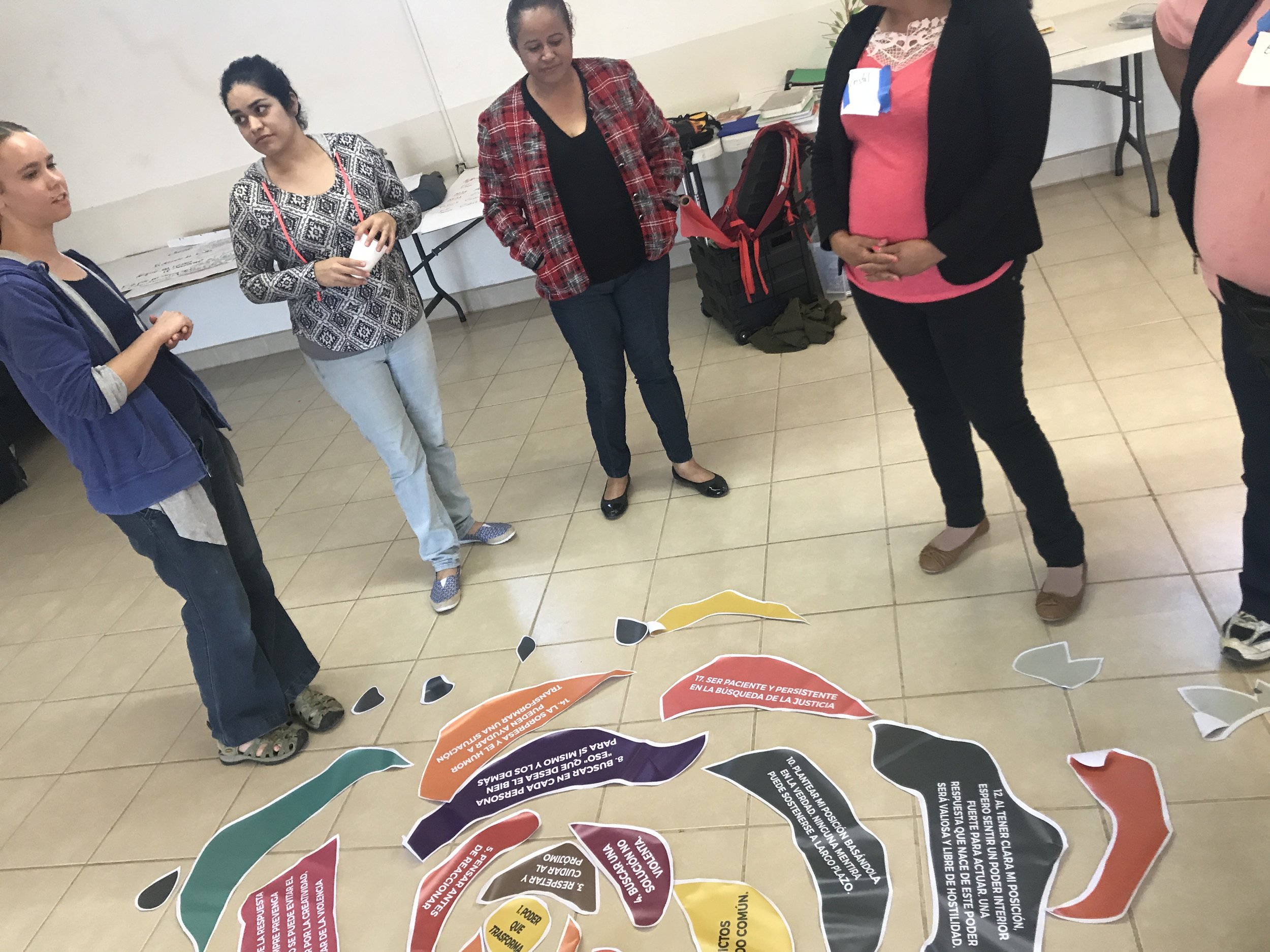
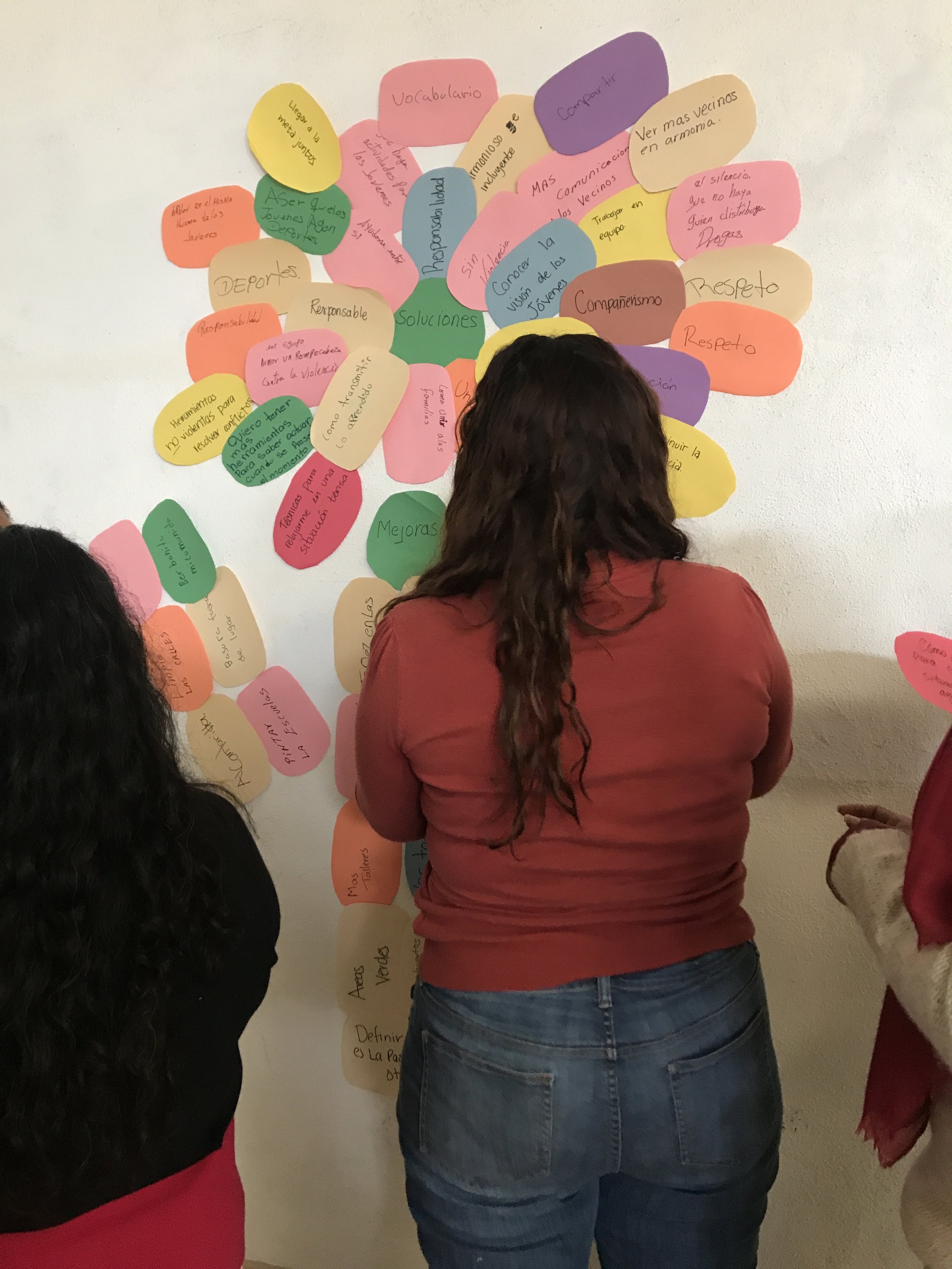
The methodology of Peace Design was born at the intersection of social movements and community peacebuilding. In 2017, Activate Labs launched the first Peace Design Labs in Tijuana and Tecate, Mexico, in partnership with Corazón, a community-based nonprofit, and with support from Rotary International. Over the course of that year, we trained more than 1,000 women leaders from communities impacted by violence, poverty, and displacement. These leaders came together not just to learn conflict resolution or dialogue skills but to design tangible solutions to the challenges facing their neighborhoods—from gender-based violence and resource scarcity to gang dynamics and youth exclusion.


In these first labs, we began developing and refining a process that integrates creative facilitation, systems thinking, participatory planning, and trauma-informed practices. Peace Design grew out of the real needs of communities—not academic theory. It was shaped by women and youth who knew that peace couldn’t be imposed from the top down. It had to be built from the ground up, through participatory processes that reflect people’s lived experiences, cultural wisdom, and radical imagination.


What Happens in a Peace Design Lab?

Each Peace Design Lab is unique, but all labs share some core components:

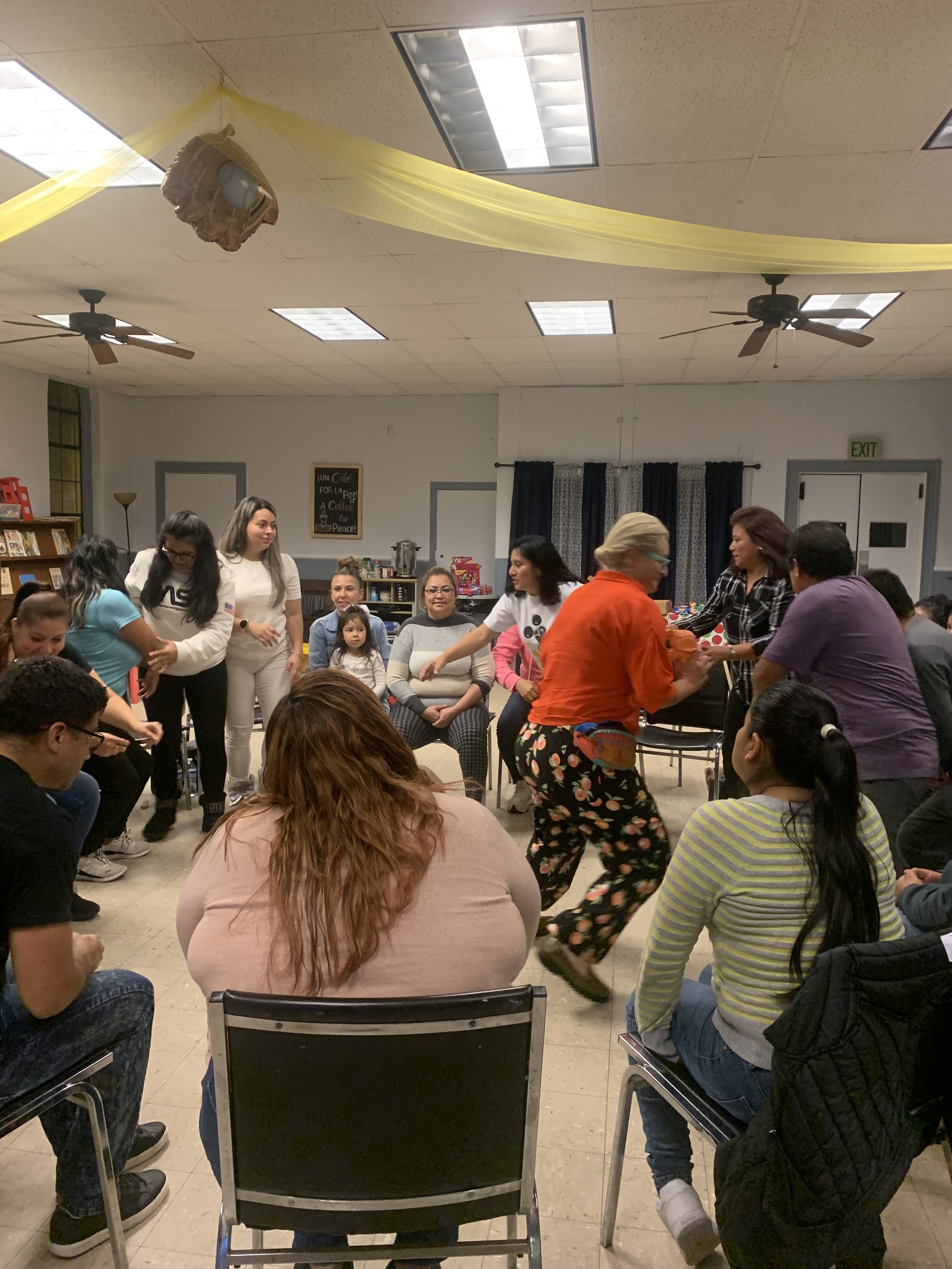
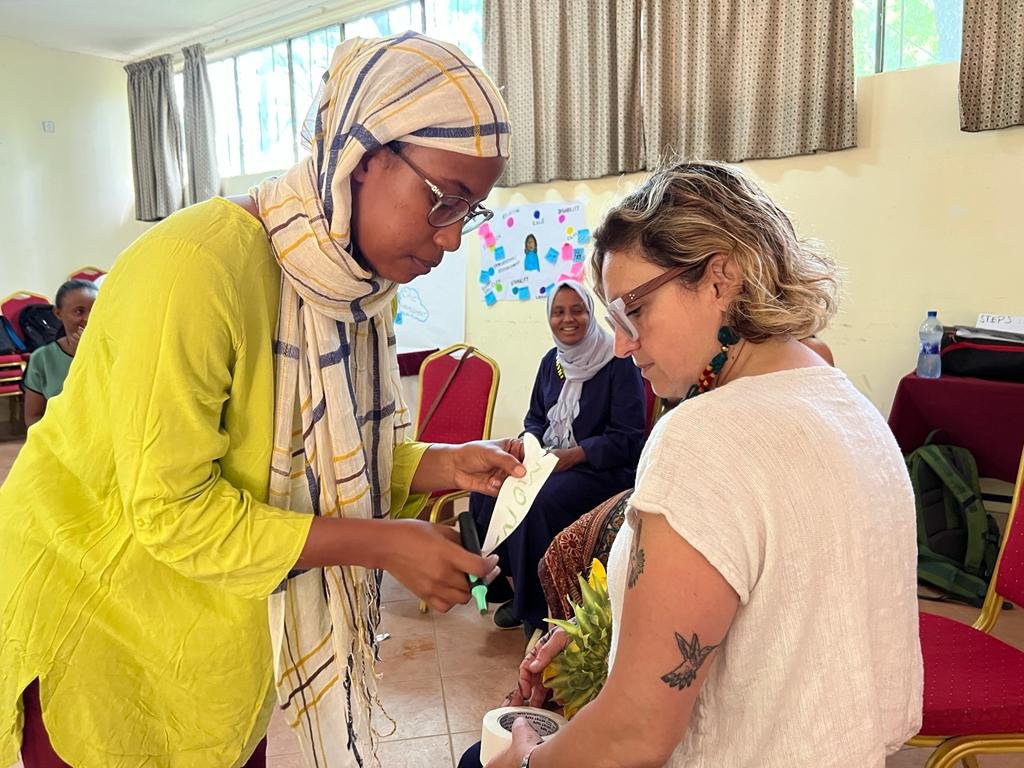
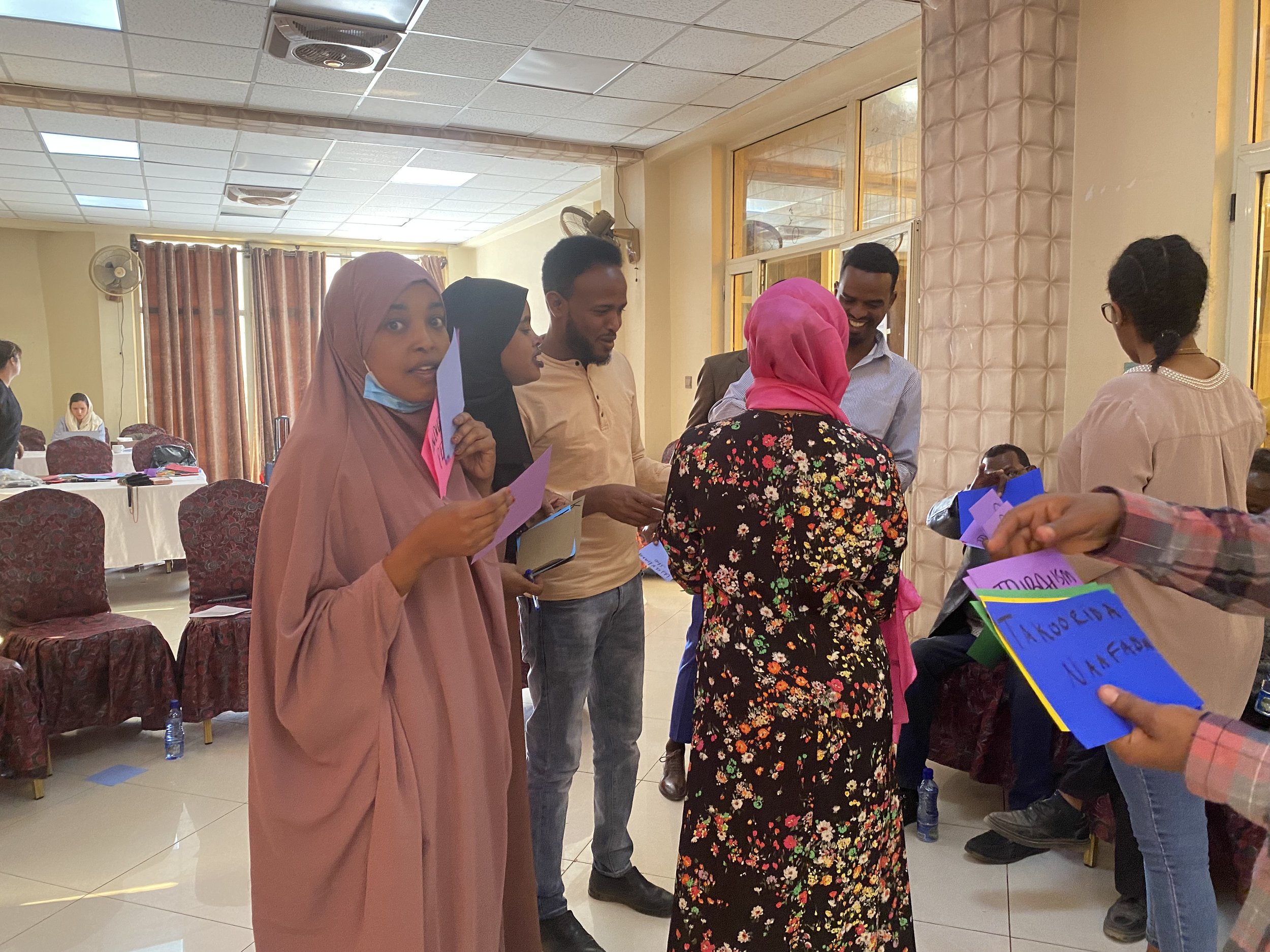
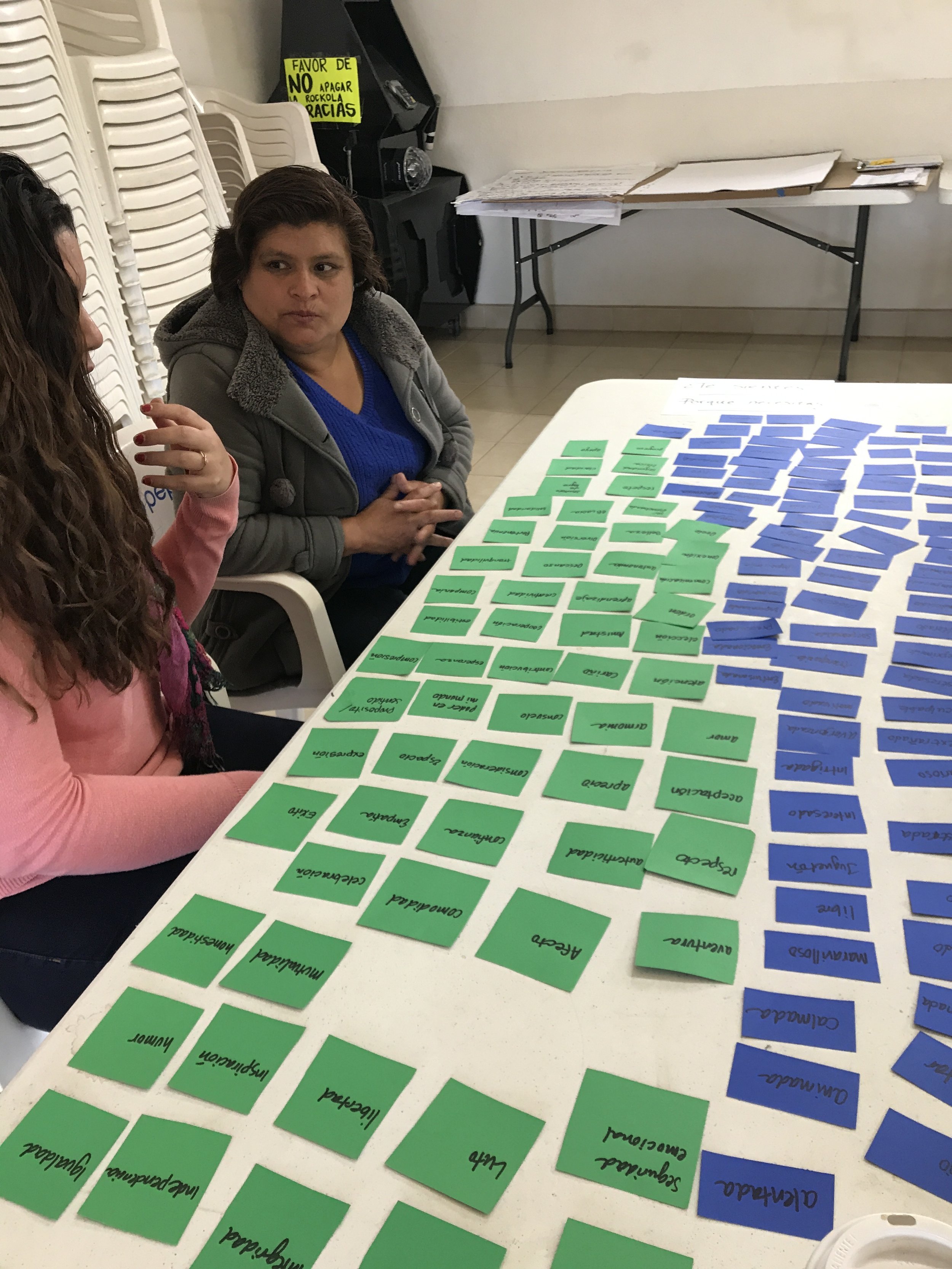
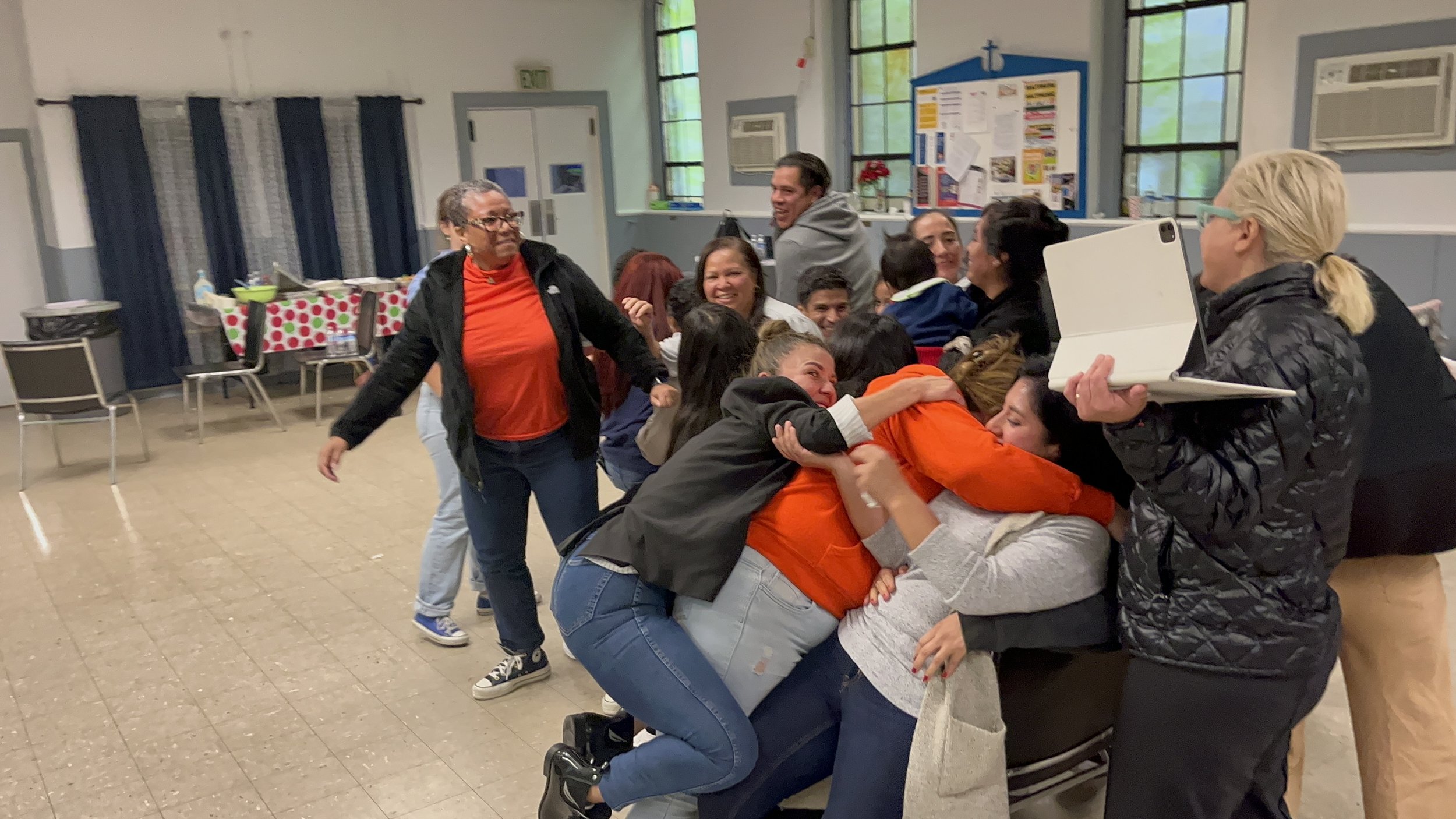
  • Relational Grounding: We begin by building trust, safety, and shared purpose among participants. This includes embodied practices, storytelling, and relationship-building exercises to cultivate a collaborative space. We call this process “curious empathy.” 

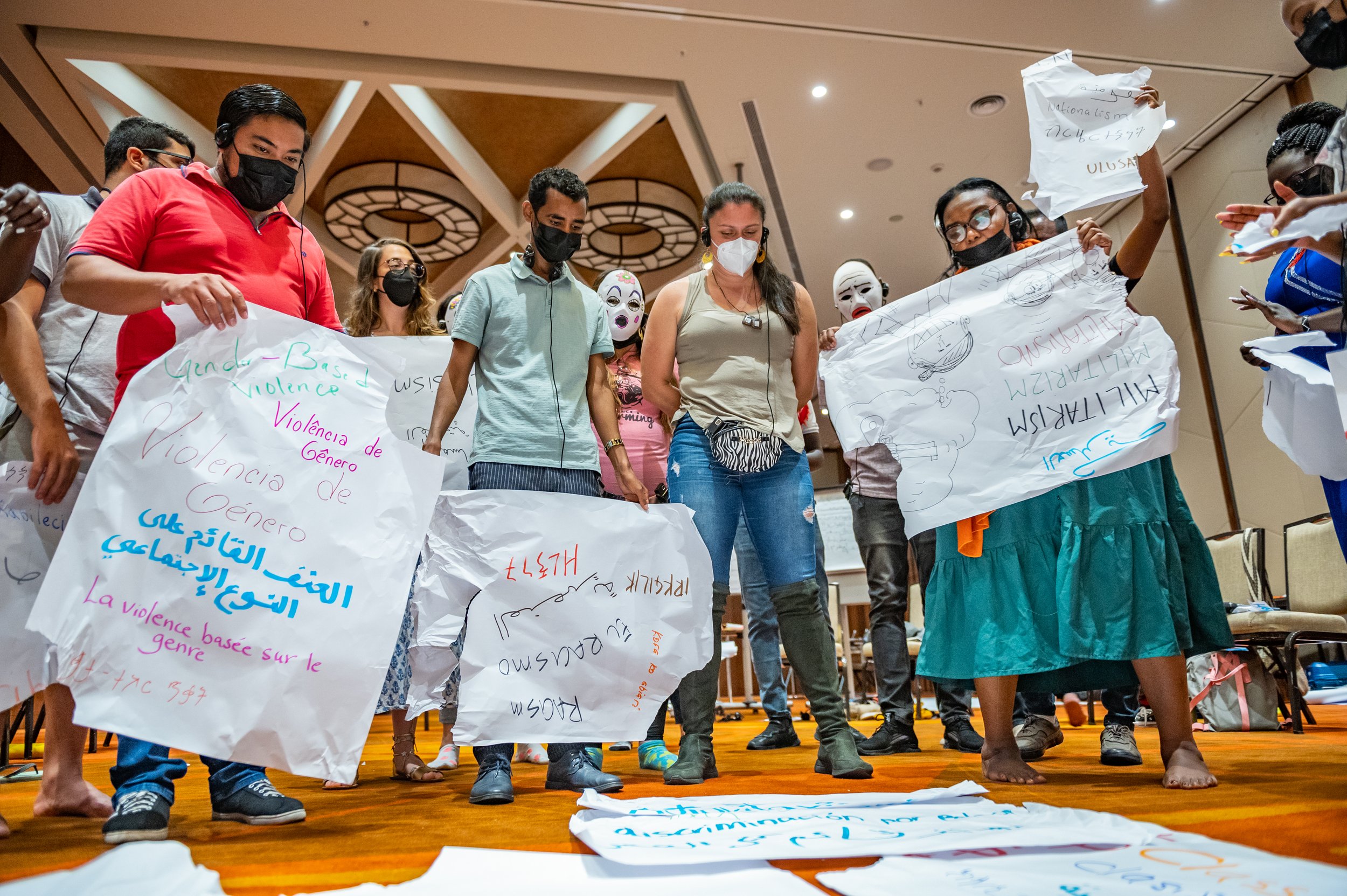
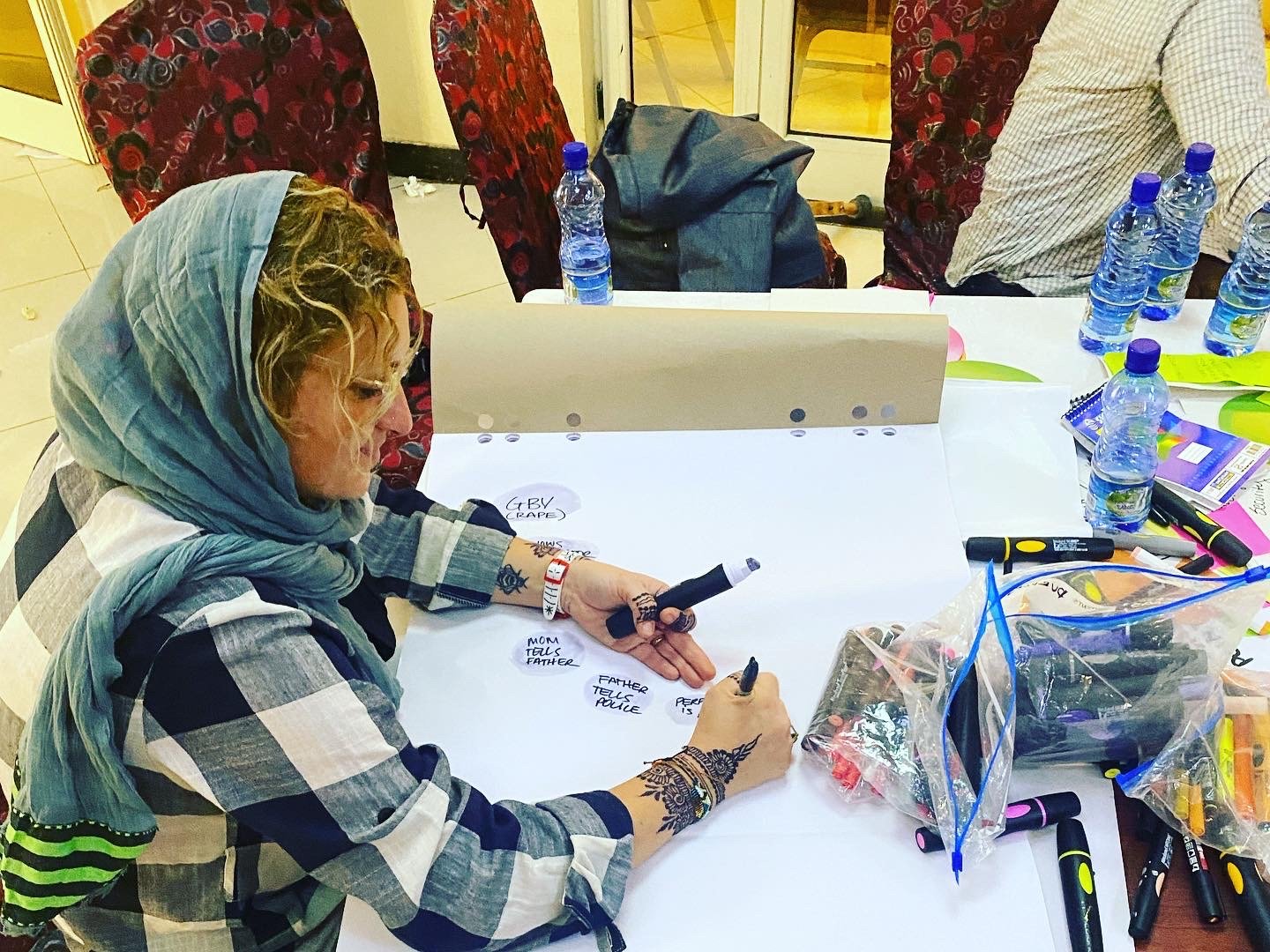
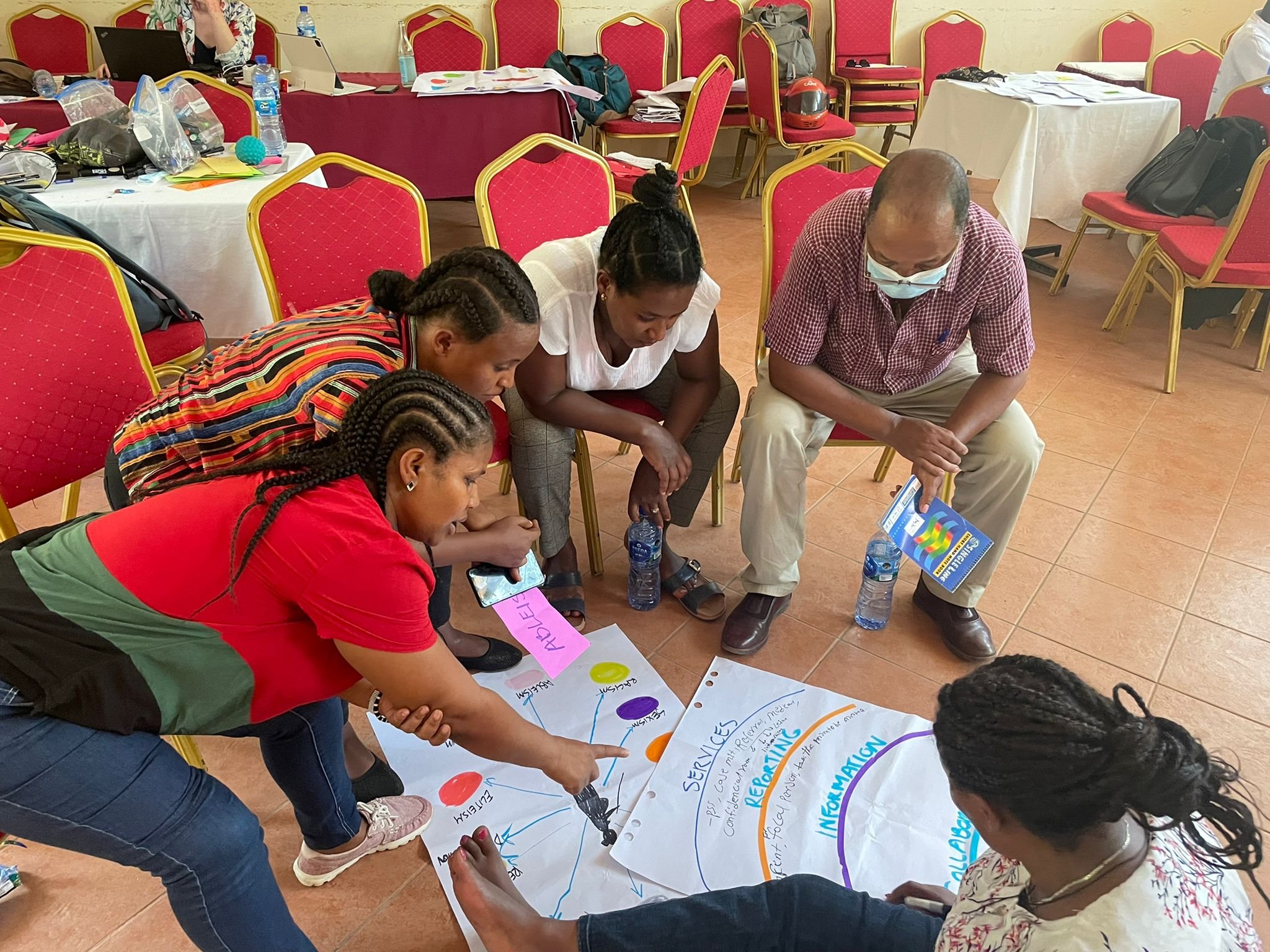
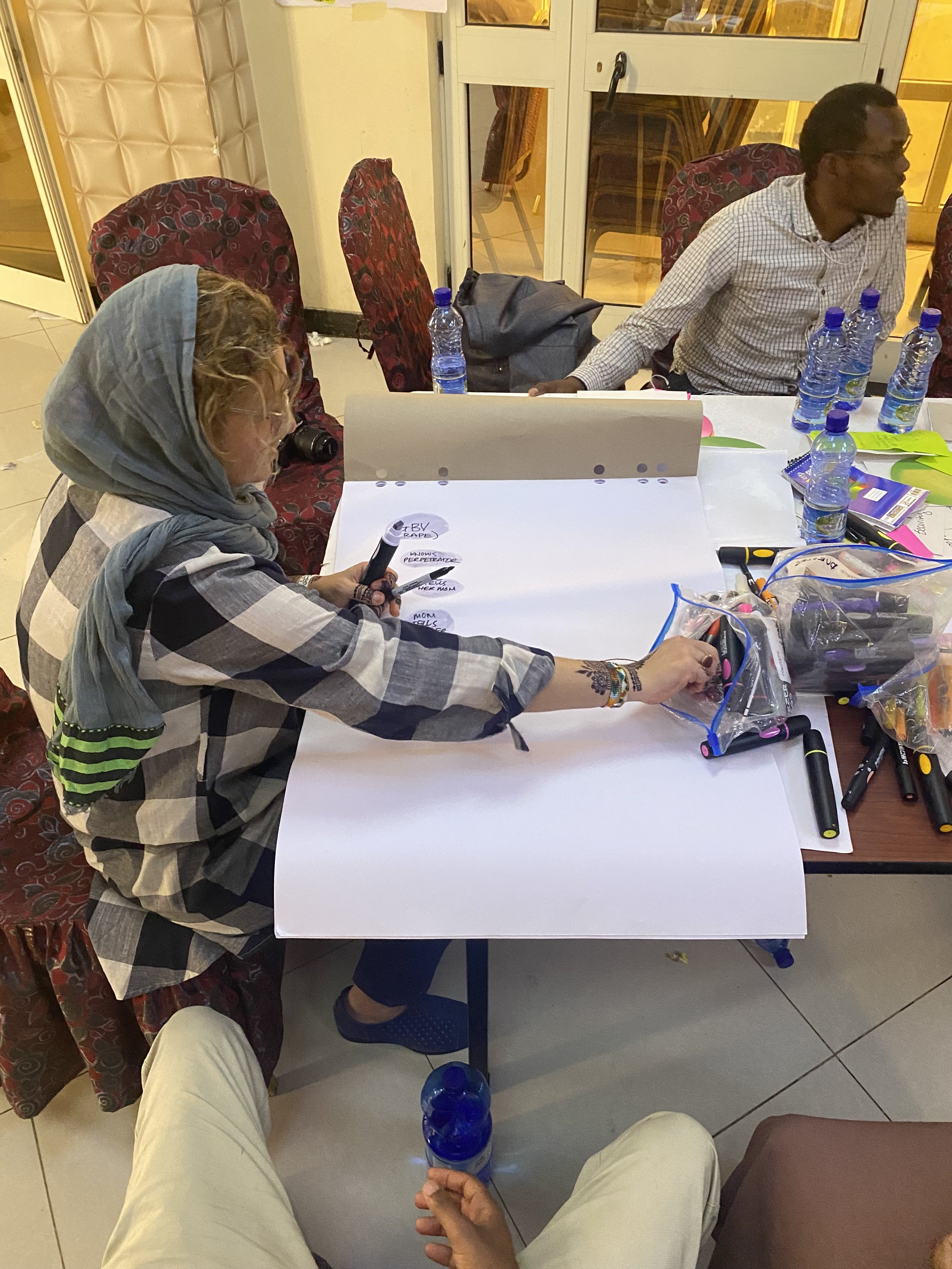
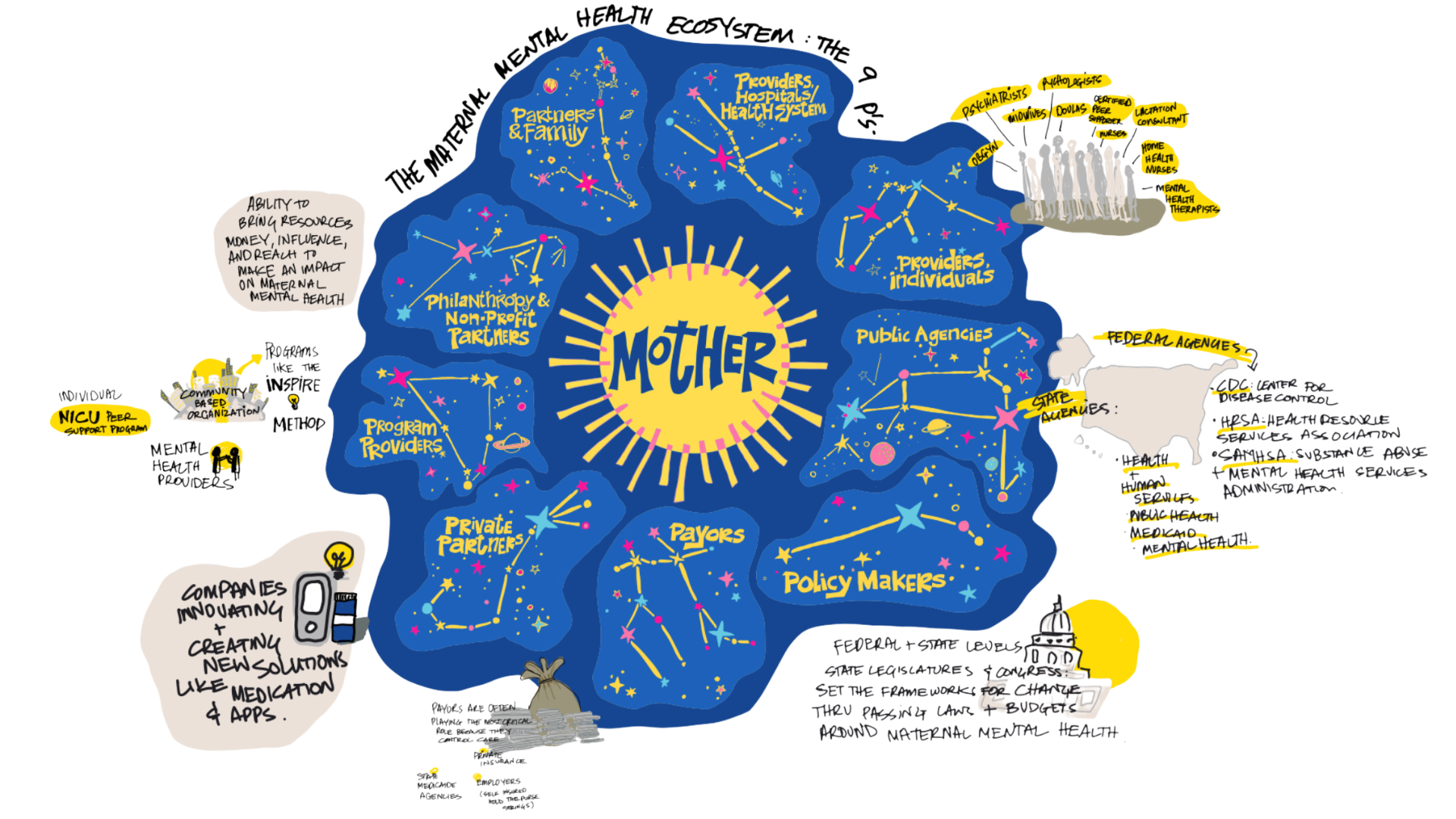
  • Conflict and Power Analysis: We guide participants through mapping power, systems, and conflict dynamics in their context. We use creative tools like quadrant mapping, ecosystem mapping, force field analysis, and Theatre of the Oppressed techniques. This process is called “naming.”
  • Imagination and Visioning: We invite participants to reimagine what peace and justice could look like in their community and what the strategies, narratives, and ways of working are that can drive it. This includes collective visioning, prototyping, and storytelling through art, design, and multimedia. This process is called “Imagine.”

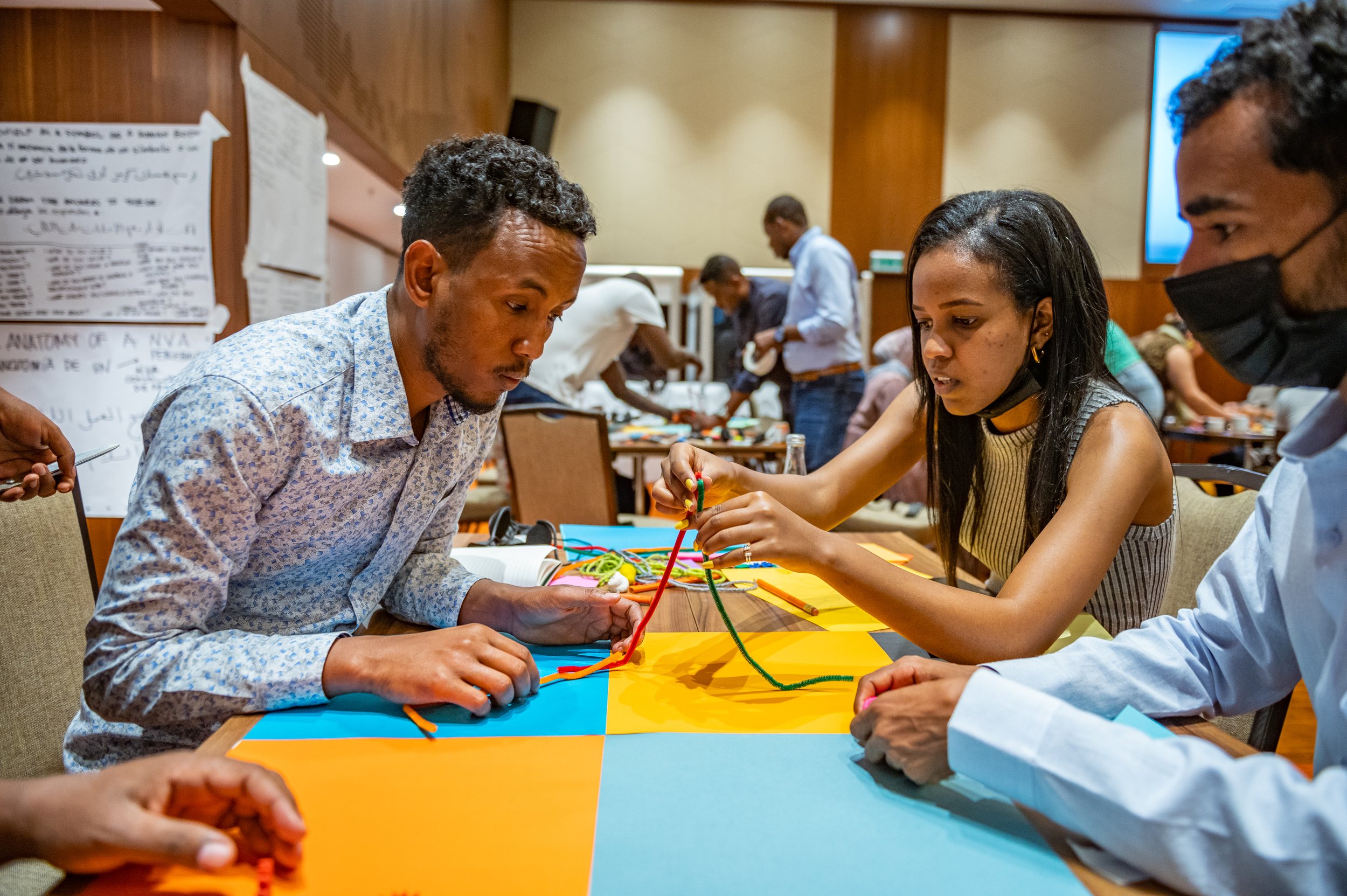
  • Design and Prototyping: Participants co-design justice and peacebuilding interventions—campaigns, community programs, healing rituals, art installations, mutual aid structures, or policy proposals—that they can implement in their own spaces. We call this the co-design process. 

Sharing and Scaling: Labs conclude with a blueprint for change. Participants leave with concrete plans, tools, and relationships to carry their peace designs forward. We call this the action and reflection processes.


Peace Design in Practice

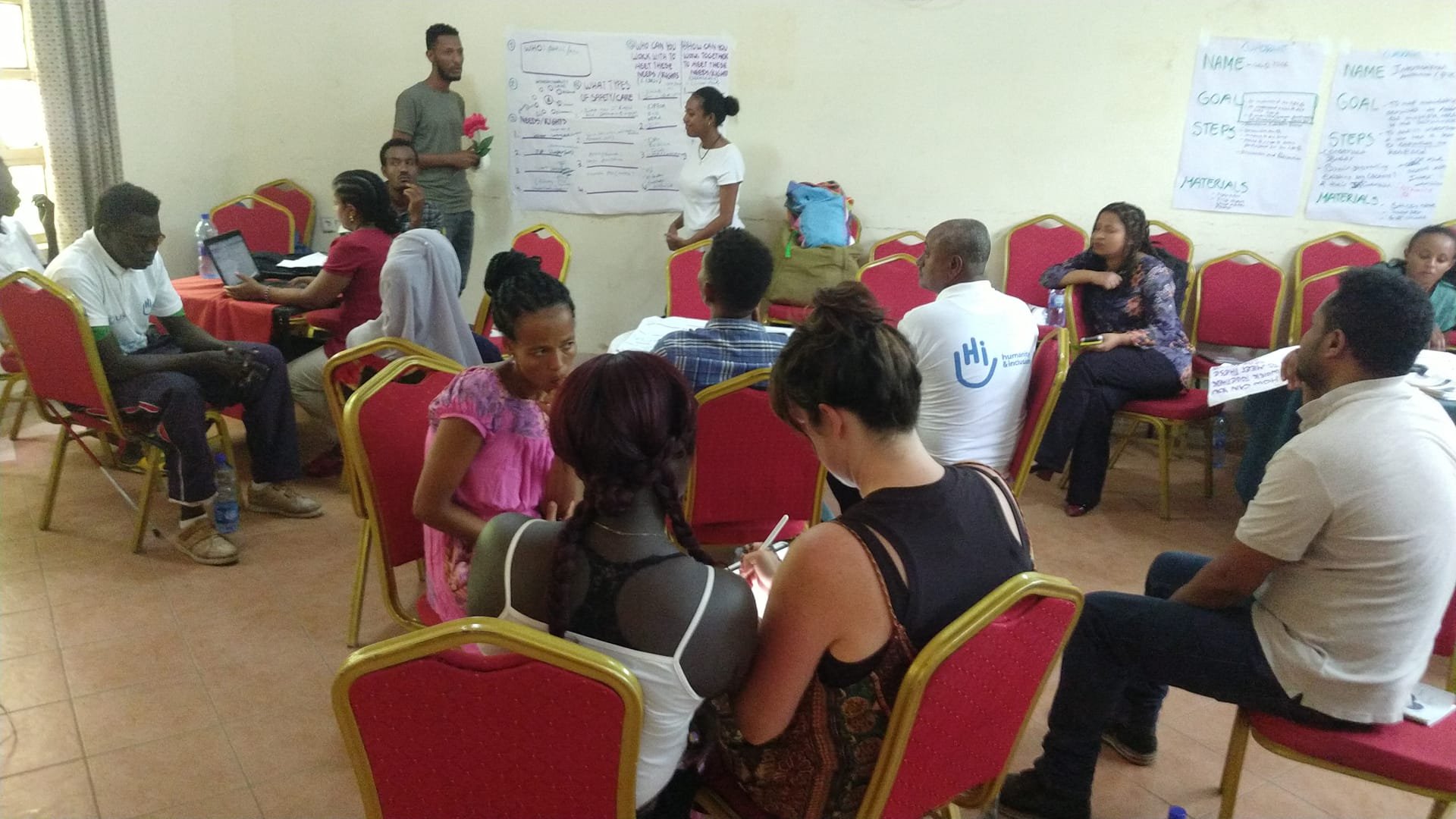
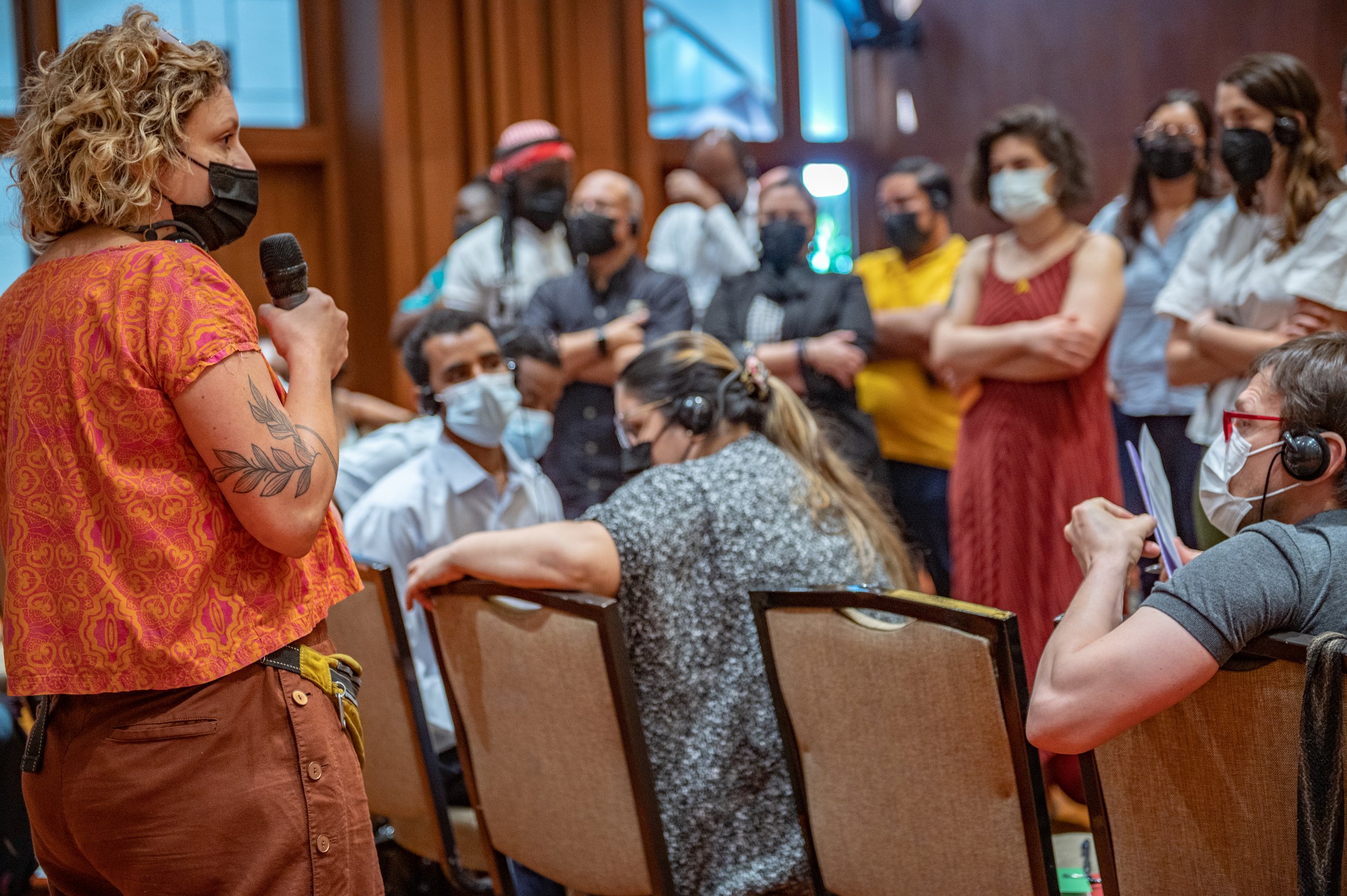
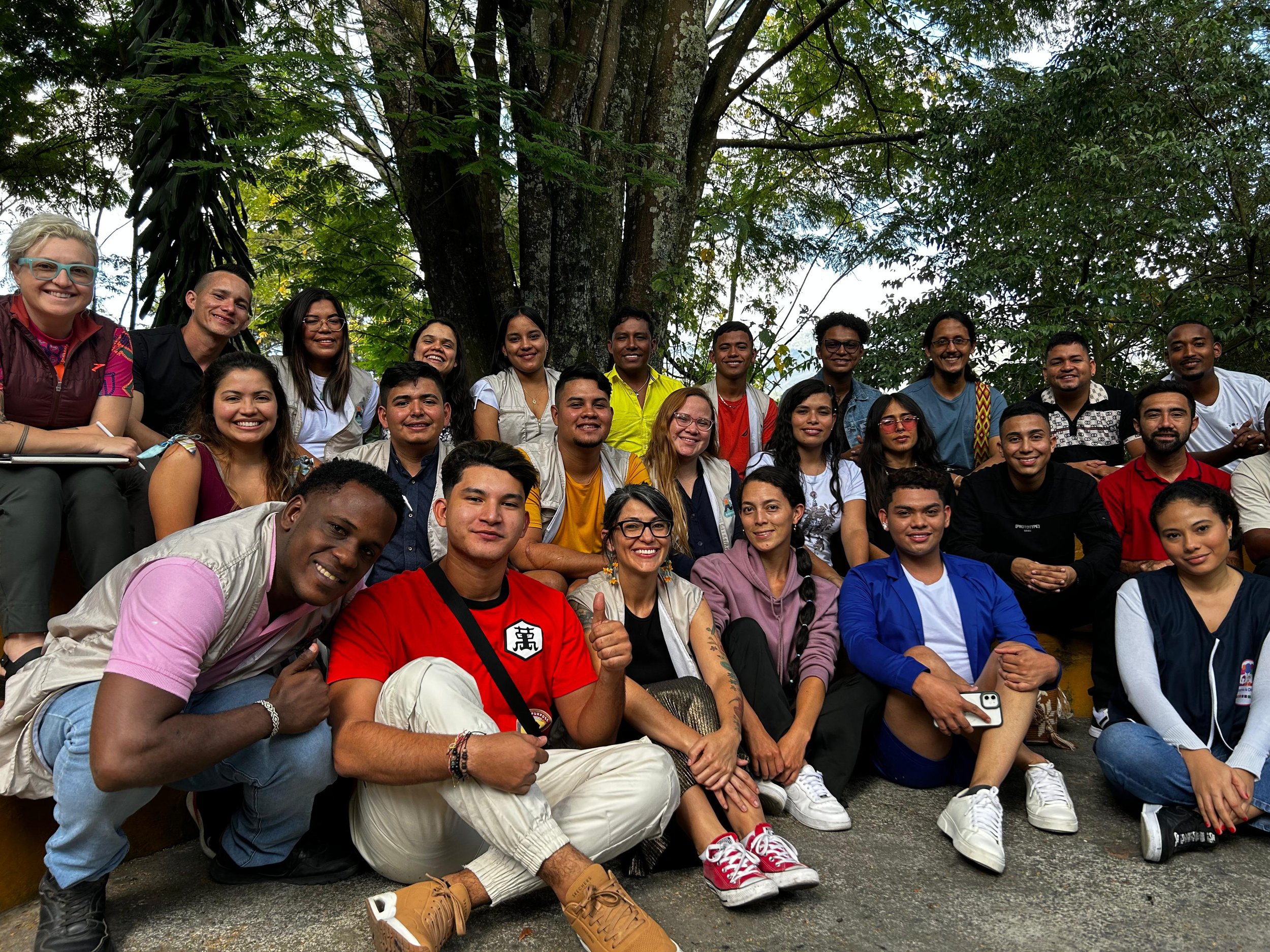
Since those first labs in Mexico, Activate Labs has led Peace Design Labs across borders and movements—from working with migrants or deported Vets on the U.S.-Mexico border to Ethiopian gender activists and humanitarian aid workers. From Palestine solidarity actions in the US to state senators. From college students learning Peace Design as part of their courses, to women social leaders finding ways to confront oppression. From youth activist spaces in Colombia to youth artists in Kenya. Each lab becomes a space to practice deep democracy—where all voices are heard, where conflict is surfaced and held with care, and where creative solutions emerge through collective wisdom.

Peace Design has supported frontline efforts around:

  • Ending gender-based violence

  • Countering disinformation and hate speech

  • Designing mutual aid systems during the pandemic

  • Campaigns for abolition, climate justice, and decolonization

  • Healing from collective trauma in post-conflict zones

  • Improving social-economic conditions for victims of armed conflict

  • Creating strategies for global-to-local systems change

Our approach continues to evolve as we learn with and from our partners. We bring visual tools, participatory facilitation, ritual, and performance into the lab. We adapt based on language, culture, and need. We see design as a liberatory act and peace as a creative process that is never finished.


Each lab is responsive to the local context. Whether we’re in a refugee camp, a protest encampment, a university, or a community center, we tailor the process to honor the knowledge, identity, and resilience of those present.


Who Are Peace Design Labs For?

Peace Design Labs are for everyone who wants to build peace differently—who sees peace not as the absence of violence but as the presence of liberation, justice, dignity, and inclusion. Our labs have brought together

  • Women and youth leaders in Mexico and Central America

  • Artists, educators, and social workers.

  • Ex-combatants and victims of war.

  • Activists and community organizers from movements for racial, climate, and gender justice

  • Migrant and refugee communities

  • Peacebuilders and practitioners from around the globe

These labs are particularly valuable for those navigating complexity—where trauma, conflict, and systems of oppression intersect. Peace Design Labs create a space to hold these tensions with care and courage while forging new pathways for collaboration and hope.

The Vision Ahead

As the world faces cascading crises—climate collapse, militarism, forced migration, and political extremism—Peace Design Labs offers a bold, generative response. They are spaces of refusal and reinvention. Places where people can reconnect to their agency, their creativity, and their collective power.

We dream of a world where Peace Design Labs are seeded in every community, school, organizing space, and healing circle. Where peacebuilders are also designers. Where imagination is a strategy. Where justice is designed with joy.

Join us. Let’s design peace together.

Learn more about how to bring a Peace Design Lab to your community or movement by clicking the button below.


Visual Facilitation & graphic design


deep listening

synthesis

illustration and graphic design


At Activate Labs, we use visual tools to bring people into the process, not just the room. Our visual facilitation work is rooted in the belief that drawing is a powerful tool for democratizing information, amplifying participation, and shifting power in spaces.

Whether we're live-scribing with markers on paper during in-person gatherings, drawing digitally in online convenings, or illustrating campaign designs, strategic plans, or documents after your process - our goal remains the same: to make ideas visible and accessible to all. Grounded in deep democracy principles, our work centers and honors all voices, creating illustrations and visuals that reflect collective wisdom.

Our offerings span a full spectrum of visual practices:


Graphic Recording and Facilitation

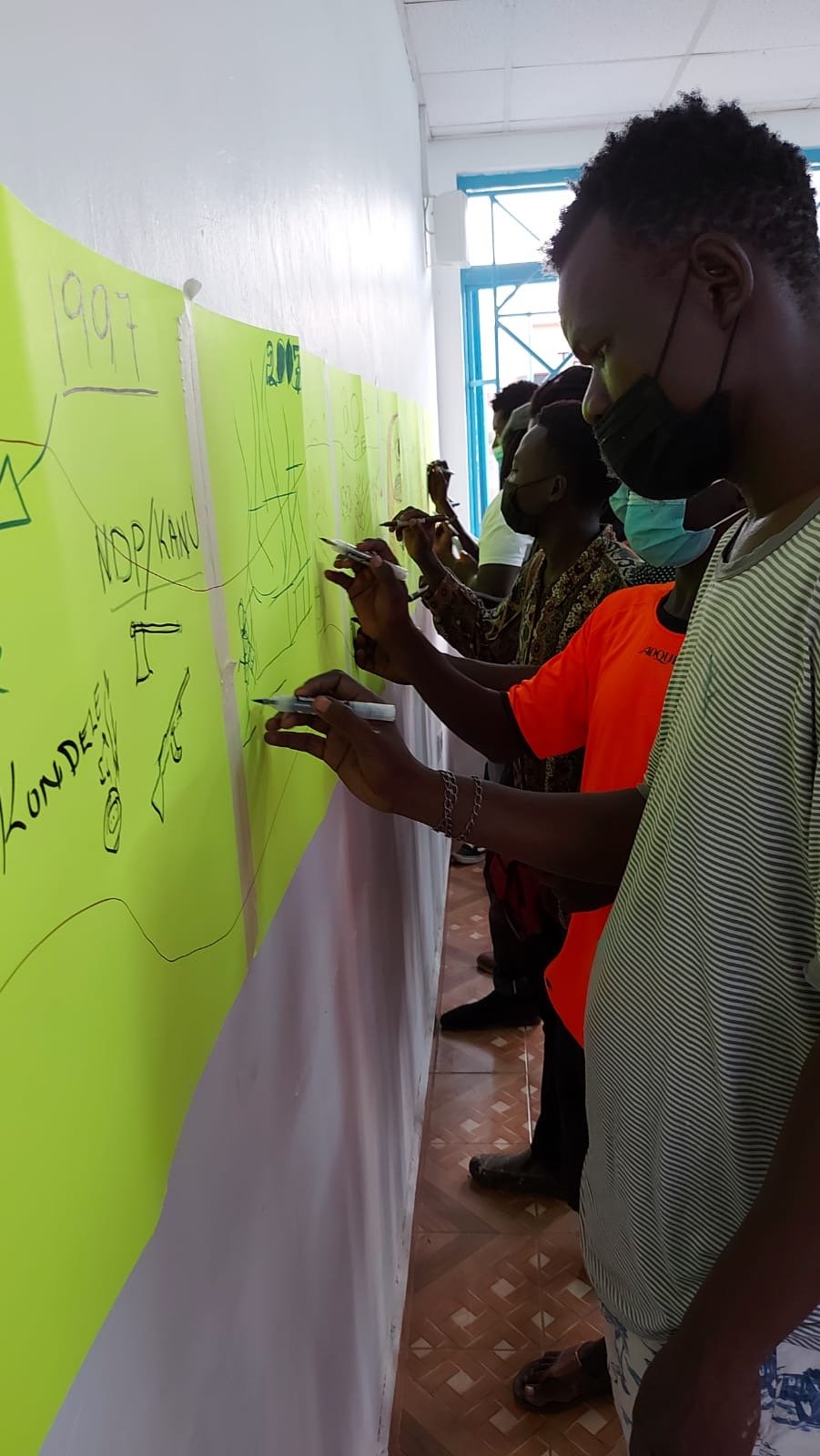
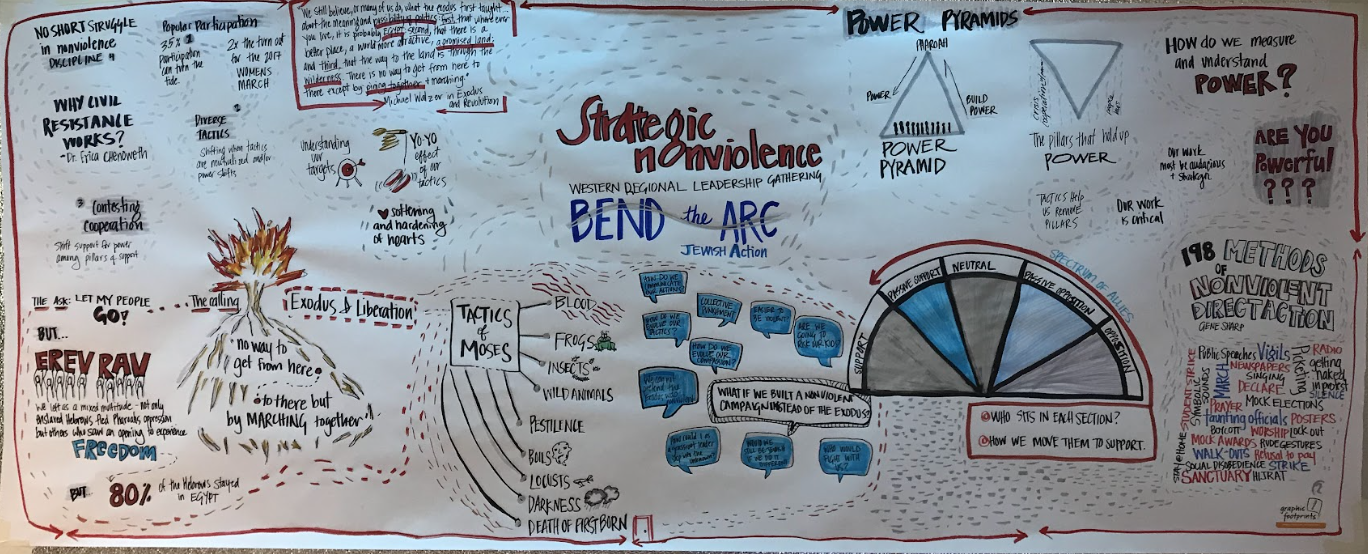
Graphic recording (in person) captures what is happening in the room -in real-time using large-format paper & markers to document ideas, dialogue, and energy through images and text.

Graphic facilitation goes deeper, using visual templates, participatory drawing exercises, and co-creation techniques to guide strategic conversations, build shared understanding, and foster buy-in.

large format paper + makers (live visuals)

Digital graphic recording (live visuals)


Studio - graphic design and illustrations

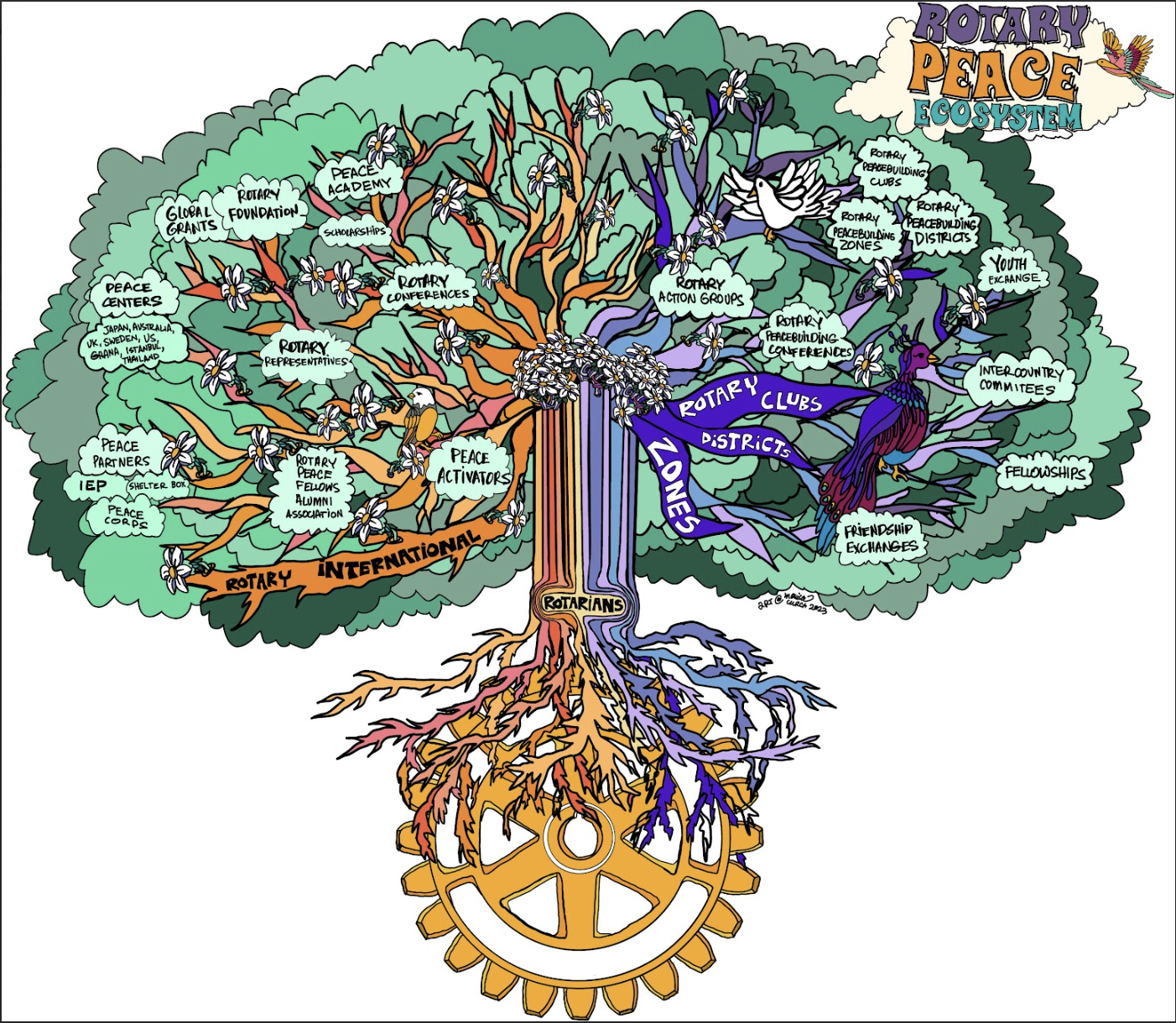
high-quality (vector) digital renderings of campaign visuals, logos, strategic plans, theories of change, frameworks, and ecosystem maps—delivered to you in accessible and downloadable formats.


Let’s draw together!

Our process is simple and collaborative:

  1. Consultation Call—We learn about your needs, vision, and goals. During this call, we also set contract terms, costs, and expectations.

  2. Invoice Sent – An invoice for 50% of the total is issued and paid to confirm the booking.

  3. Services Delivered – Whether in-person or digital, we deliver live visuals and offer two rounds of edits (for studio work).

  4. File Delivery—Final digital files are uploaded to a shared Google Drive folder.

  5. Final Payment—The second half of the invoice is paid upon project completion.